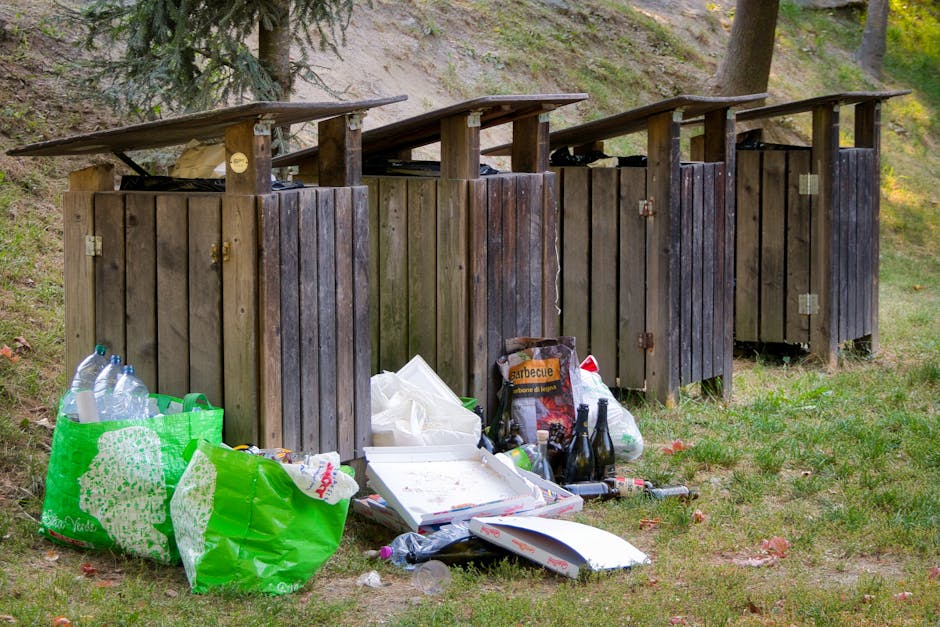
What to know about access issues for Marlow rubbish crews
If you've ever tried to get bulky waste out of a narrow lane, down a tight staircase, or past a parked car that definitely should not be there, you'll know this already: access can make or break a rubbish collection. That is exactly why understanding What to know about access issues for Marlow rubbish crews matters before the van turns up. In Marlow, where homes, flats, period properties, back gardens, and busy streets can all create different access challenges, a little planning goes a long way.
This guide explains what access issues actually mean, why crews care so much about them, how they affect timing and cost, and what you can do to make the job smoother. It also covers common mistakes, practical checks, and the kind of real-world details that save time on the day. Truth be told, most collections run best when the access plan is sorted before anyone starts lifting.
Table of Contents
- Why access issues matter
- How rubbish crews handle access challenges
- Key benefits of planning access properly
- Who needs this and when it makes sense
- Step-by-step guidance
- Expert tips for better results
- Common mistakes to avoid
- Tools, resources and recommendations
- Law, compliance, standards and best practice
- Options, methods and comparison
- Case study or real-world example
- Practical checklist
- Conclusion
- Frequently Asked Questions
Why What to know about access issues for Marlow rubbish crews Matters
Access is not just a convenience issue. It affects whether a collection can be completed safely, how long it takes, and whether extra handling is needed. In practice, a "simple" rubbish removal can become a fiddly job if crews cannot get close to the waste, cannot park sensibly, or have to carry items through multiple obstacles.
For Marlow properties, access challenges often show up in familiar ways: a steep driveway, limited on-street parking, narrow side passages, shared entrances, tight stairwells, or a garden gate that barely opens far enough. Older homes can be particularly awkward. Newer developments may also have restrictions, such as controlled parking zones, coded entry systems, or awkward loading bays. Different problem, same outcome: more planning needed.
Why does that matter to you? Because poor access can mean delays, extra labour, additional equipment, or a collection that needs to be rescheduled. Nobody wants that. And crews usually do their best work when they know what they're walking into.
Expert summary: The smoother the access, the safer and quicker the collection. The more limited the access, the more important it becomes to describe the property clearly, share photos if possible, and remove obstacles before the crew arrives.
For broader service context, it can help to understand the difference between routine collections and larger clearances. Pages such as waste removal and home clearance give a good sense of how varied these jobs can be when access is not straightforward.
How What to know about access issues for Marlow rubbish crews Works
When a crew is asked to remove rubbish, furniture, builders' waste, or mixed household items, they normally think in terms of route, load size, parking, and lifting distance. That sounds simple, but in the real world it becomes a small puzzle. Where will the vehicle stop? How far is the item from the pickup point? Is there enough space to turn a trolley or carry a mattress without scraping walls?
Access planning usually starts before arrival. A customer describes the property, mentions any gates, stairs, alleyways, basement steps, or parking limits, and may send a few photos. That helps the crew decide the right vehicle, the right number of team members, and whether a job can be done in one visit. If the waste is awkwardly placed, the crew may need to factor in extra manual handling. That's not a problem in itself, but it does need to be accounted for.
There are a few common access types crews look out for:
- Vehicle access: how close the van can safely get to the waste.
- Pedestrian access: whether crew members can walk items out without obstruction.
- Vertical access: stairs, lifts, loft hatches, basement steps, and split-level layouts.
- Width and turning space: especially important for bulky items like sofas, wardrobes, and appliances.
- Timing restrictions: school runs, neighbour parking, gate codes, concierge hours, or office building rules.
If you're dealing with a specific type of clearance, access concerns can change quite a bit. A furniture clearance is often about weight and width. A garage clearance may be about clutter and reduced working space. A loft clearance usually means awkward angles and careful lifting. Different job, different headaches.
Key Benefits and Practical Advantages
Planning access properly is not just for the crew's benefit. It helps you too. In fact, many of the best outcomes in rubbish removal come from one simple thing: less guesswork on the day.
1. Faster collections
When crews can park nearby and move freely, the job usually runs faster. That means less waiting around, less back-and-forth, and fewer interruptions. Simple enough, but it saves real time.
2. Lower risk of damage
Furniture can scrape walls. Heavy bags can split on narrow steps. Wet garden waste can create slippery patches. Good access planning reduces the need for rushed lifting or awkward twists, which in turn reduces the chance of damage to your property.
3. Better pricing clarity
Access affects effort. A collection from the front drive is a different job from one that involves a long carry through a terraced house and out through a rear passage. If the access picture is clear early on, you're more likely to get a fair, realistic quote.
4. Safer working conditions
Crews can work more safely when they know where the tight spots are. That matters for everyone involved. It's also why many providers take access, handling, and site safety seriously alongside their health and safety policy and insurance and safety standards.
5. Less stress on collection day
Let's face it, nobody wants a van pulling up and then discovering a locked gate, a blocked driveway, or a low archway that was never mentioned. Good preparation keeps things calm. And calm is underrated.
Who This Is For and When It Makes Sense
This matters for more people than you might think. If you live in a flat, run a business, manage a rental property, or are clearing out a house after a move, access is likely part of your planning whether you've thought about it or not.
It makes sense to pay close attention to access if you are:
- clearing a property with narrow entrances or awkward stairs
- booking a collection from a flat, maisonette, or converted building
- disposing of bulky items from a loft, garage, or basement
- organising a business clearance with loading restrictions
- preparing for builders' waste removal after renovation or repair work
- trying to avoid disruption to neighbours or customers
For business premises, access can be especially important because timing is tighter and movement space is often limited. Office receptions, shared car parks, and delivery bays can all create practical constraints. If that sounds familiar, office clearance and business waste removal are useful examples of the kind of jobs where access planning pays off quickly.
There's also a very ordinary but common scenario: you think the waste is "just round the side," but the side passage is narrower than a wheelie bin and the gate opens inward. It happens all the time. No drama, just a bit of reality.
Step-by-Step Guidance
Here's a practical way to handle access issues before the crew arrives. Nothing fancy. Just the sort of preparation that makes the day go better.
- Walk the route from the waste to the vehicle. Look at every doorway, gate, step, slope, and corner. If you wouldn't want to carry a heavy cabinet through it, note it down.
- Measure the awkward bits. Width, height, and turning points matter more than people expect. A few rough measurements are often enough.
- Check parking and stopping space. Can a vehicle load safely near the property? Is there room to pause without blocking traffic or neighbouring access?
- Identify obstacles. Potted plants, bikes, bins, low branches, loose gravel, broken paving, and even a single parked car can create unnecessary problems.
- Share photos if possible. A couple of clear pictures often explain more than a long message. One shot of the entrance, one of the route, and one of the waste pile can be enough.
- Tell the crew about locked access or time windows. Gate codes, concierge check-ins, stairwell restrictions, and loading bay slots all matter.
- Move what you can before collection day. Clearing a path, opening gates, or parking elsewhere may make the job much easier.
- Confirm the type of waste. Mixed rubbish, furniture, garden waste, and builders' debris all behave differently in terms of lifting and carrying.
A small detail can change the whole experience. For example, a loft hatch with a tight turn at the top stair might be manageable for one item, but not for several bulky pieces. Better to know that early than discover it with a mattress wedged halfway down the stairs.
Expert Tips for Better Results
After enough collections, some patterns become obvious. The jobs that run well usually have one thing in common: someone thought about the property, not just the rubbish.
Be specific, not vague
"Access is okay" doesn't tell anyone much. Say whether there is a driveway, how many steps there are, whether the gate opens fully, and whether the items are on the ground floor or upstairs. Useful detail beats broad reassurance every time.
Think about the worst point in the route
People often describe the easy part and forget the problem area. The hallway may be fine, but the turn into the kitchen might be sharp. The front path may be wide, but the back gate may only open halfway. That's the bit crews need to know.
Leave room for loading
If possible, move cars or delivery bins before the crew arrives. Even half a metre of space can make a job noticeably smoother. Sounds small. It isn't.
Keep children, pets, and visitors out of the route
This is especially important in family homes or shared buildings. A clear route reduces distractions and keeps everyone safer.
Ask about the right collection type
Some jobs need more hands, some need more time, and some need a different approach altogether. For bulky household items, a dedicated house clearance or flat clearance may fit better than a one-off item collection, depending on the access and volume.
Don't hide the awkward bits
This one is simple. If there's a steep drive, a narrow shared alley, or a basement with damp steps and low light, say so. Crews can only plan for what they know.
Small aside: in our experience, the "we forgot to mention the basement" moment is one of the most common. Not malicious, just human. But it does make things less smooth than they could be.
Common Mistakes to Avoid
A few avoidable errors tend to cause most access problems. If you sidestep these, you're already ahead.
- Assuming a vehicle can park directly outside. That's not always possible in Marlow, especially on busier roads or where parking is tightly controlled.
- Forgetting to mention steps or lifts. A single flight of stairs can change the handling plan.
- Leaving the waste behind locked doors or behind stacked items. If crews have to move other things first, the job takes longer.
- Underestimating narrow gaps. Wardrobes, sofas, desks, and washing machines are notorious for this.
- Not telling anyone about shared access rules. In flats and managed buildings, access often depends on a keyholder, booking slot, or caretaker.
- Blocking the route on the day. Wheelie bins, planters, and cars can become surprisingly annoying obstacles. Tiny annoyances, big impact.
One more thing: don't wait until the crew is standing in the driveway before mentioning the problem gate. That's the kind of surprise nobody enjoys.
Tools, Resources and Recommendations
You do not need specialist equipment to prepare for a rubbish collection, but a few simple tools can make access planning much easier.
| Tool or resource | What it helps with | Best use |
|---|---|---|
| Tape measure | Checking widths, doorway clearances, and turning points | Tight staircases, door frames, side gates |
| Phone camera | Showing the route, the load, and any obstacles | Remote quotes and pre-visit planning |
| Notebook or phone notes | Recording steps, codes, and parking instructions | Property managers and repeat bookings |
| Torches or work lights | Improving visibility in lofts, basements, and rear alleys | Early morning or winter collections |
| Gloves and sturdy footwear | Basic protection while moving small items or clearing pathways | Light preparation before the crew arrives |
| Clear route markers | Helping everyone see the safest path | Shared access areas and busy homes |
For customers who want the process explained in more detail, the pages on pricing and quotes and recycling and sustainability can also help set expectations around how jobs are assessed and how removed items are handled afterwards.
If you're unsure which service fits the job, it's usually worth checking the full range of clearance options. A garage full of mixed clutter is not the same as a careful sofa lift from a first-floor flat. Obvious, yes, but easy to overlook in the moment.
Law, Compliance, Standards and Best Practice
Access planning sits inside a broader framework of safe, lawful waste handling. While the exact detail depends on the job, providers are generally expected to work safely, avoid obstruction, and handle waste in line with relevant UK waste practices and their own internal procedures.
From a customer's perspective, the most useful thing to know is this: clear access supports safe handling and helps crews work in a way that reduces risk to people and property. It also helps avoid unnecessary strain, damaged surfaces, blocked exits, and awkward manoeuvring in shared spaces.
Best practice usually includes:
- describing access honestly before collection
- making sure the route is reasonably clear and safe
- allowing enough time for awkward or bulky removals
- keeping emergency exits unobstructed
- following building rules for shared entrances, lifts, or loading areas
Where a property has special conditions, such as private road access, managed parking, or building restrictions, it is sensible to mention them early. That may sound like common sense, and it is, but common sense saves a lot of trouble here.
You can also review company policies such as terms and conditions and about us to understand how a provider approaches service, responsibility, and customer expectations.
Options, Methods and Comparison
Not every access problem needs the same solution. Sometimes the answer is extra planning. Sometimes it is a different service type. Sometimes it is simply moving a car. Here's a practical comparison.
| Approach | Best for | Pros | Trade-offs |
|---|---|---|---|
| Direct kerbside loading | Good street access and short carry distances | Quick, efficient, usually simplest | Needs parking space and clear roadside access |
| Carry from doorway or garden gate | Homes with moderate access but no driveway | Flexible and often workable | More manual handling and longer job time |
| Stair or loft handling | Flats, lofts, split-level homes, top-floor spaces | Useful where items are upstairs | Slower and more physically demanding |
| Split collection or staged removal | Large clearances with limited access | Can reduce congestion on site | May require more coordination |
| Pre-cleared access route | Homes or businesses with cluttered entrances | Makes the job safer and smoother | Requires customer preparation beforehand |
If the access issue is mainly about the type of property, you may get better results by matching the service to the setting. For example, a cluttered outbuilding might suit garage clearance, while external debris from renovations might be more in line with builders waste clearance. Different route, different job.
Case Study or Real-World Example
A typical Marlow scenario goes something like this. A customer books a collection for a set of old wardrobes, a chest of drawers, and some boxed-up general rubbish from the back of a terraced property. At first glance, it sounds straightforward. But the front of the house has no driveway, the alley to the rear is narrow, and the gate only opens fully if a wheelie bin is moved first.
Before the day, the customer sends a couple of photos and mentions the route from the garden to the van. That gives the crew enough information to plan the right approach. On arrival, they park as close as they can, clear the gate, and move the items in a sensible order so the longest pieces come out first. No scraping, no panic, no awkward pause in the middle of the job. Just a clean run.
Now compare that with the version where none of that is mentioned. The crew arrives, discovers the gate issue, has to ask the customer to move a car, and then works around a tight corridor while trying not to knock the walls. Same waste, same house, very different experience.
That is why access is worth thinking about early. It's not about making a fuss. It's about making the job ordinary, which is exactly what you want.
Practical Checklist
Use this checklist before a rubbish crew arrives in Marlow. It's simple, but it catches most of the avoidable problems.
- Have you described the property type clearly?
- Have you mentioned stairs, lifts, or loft access?
- Can the vehicle park or stop close enough to load safely?
- Are gates, doors, and side passages wide enough for the items?
- Have you removed cars, bins, bikes, or plant pots that block the route?
- Do any shared entrances need codes, keys, or permission?
- Have you shared photos of the access route if requested?
- Is the waste placed where the crew can reach it without moving half the house?
- Have you allowed for weather, darkness, or slippery surfaces?
- Do you know whether the job needs extra time because of limited access?
If you can tick most of those off, you're in pretty good shape. If not, no panic. Just sort the biggest blockers first.
Conclusion
Access issues are one of the most practical parts of rubbish collection, but they are often the least discussed. The truth is simple: when crews can see the route, understand the obstacles, and plan for the property properly, the whole job becomes safer, quicker, and easier for everyone.
For Marlow homes and businesses, that means thinking beyond the waste itself. Think about the gate, the stairs, the parking, the turning circle, and the little stuff that can trip up a collection. A few minutes of preparation can save a lot of unnecessary hassle later. And yes, it really can be that straightforward.
If you're weighing up the right service for a property with tricky access, it also helps to explore the wider service range and company information so you know what fits best. Clear communication, honest details, and a bit of planning usually do the trick. Not glamorous, but effective.
Get a free quote today and see how much you can save.
When the access is understood, the rest tends to fall into place. That's a good feeling, honestly.
Frequently Asked Questions
What counts as an access issue for a rubbish crew?
Anything that makes it harder to reach the waste safely can count as an access issue. That includes narrow doors, stairs, locked gates, long carrying distances, no parking nearby, low ceilings, and awkward garden routes.
Do I need to mention access problems before the collection?
Yes, definitely. The more the crew knows in advance, the better they can plan the right vehicle, team size, and handling approach. Surprises on the day usually slow things down.
Will tight access make my rubbish removal more expensive?
It can, because limited access may require extra labour or time. That said, pricing depends on the whole job, not just the access. It's best to describe the property clearly so any quote is realistic.
Can crews still collect items from a flat or upstairs property?
Usually yes, if the route is manageable and safe. Flats, upper floors, and lofts are common access scenarios, but the stairs, corridors, and lifting angles need to be taken into account.
What should I send if the access is awkward?
A few photos are often the most useful thing. Try to show the entrance, the route to the waste, the parking situation, and any tight corners or steps. A short written note helps too.
Is it okay if the van cannot park right outside?
Often yes, but it may affect the time and effort involved. Crews can usually work with a short carry, though very long carries or blocked access may need extra planning.
How can I make collection day easier for the crew?
Clear the route, open gates, move vehicles, and remove obvious obstacles like bins or bikes. If the waste is behind other items, try to bring it forward beforehand. That small bit of prep helps a lot.
What if my property has a very narrow side passage?
Say so before booking. Some items may still be possible to remove, but the crew needs to know the width, turns, and any low obstacles. In some cases, a different approach is needed.
Do access issues matter for builders' waste too?
Very much so. Bags, rubble, timber, and mixed debris can be heavy and awkward, so access matters even more when the load is dense or scattered around a working site.
What if I'm not sure whether access will be a problem?
If you're unsure, treat it as a possible issue and mention it anyway. It's better to over-explain slightly than to leave out something important. A quick check now can save a headache later.
Can shared entrances or managed buildings affect the collection?
Yes. Access rules, keyholder arrangements, lift booking, parking controls, and concierge procedures can all shape the job. It's worth confirming those details early.
Where can I find more information about service standards and policies?
Useful pages include the company's health and safety policy, insurance and safety, and recycling and sustainability information. They help set expectations around safe, responsible work.